Cal Tjader - The Prophet (Verve Vault)
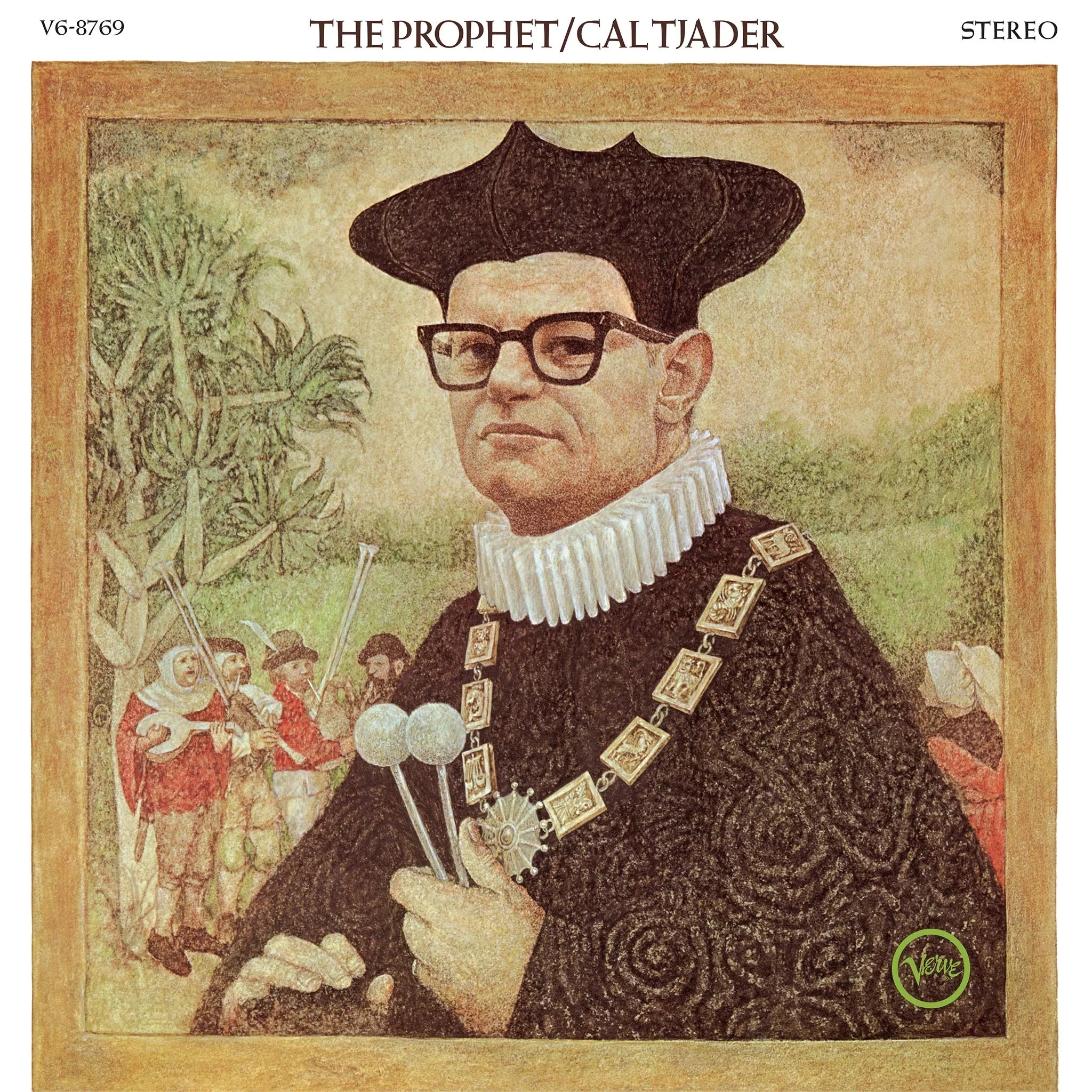
Cal Tjader’s The Prophet, recorded in 1968 in New York and Los Angeles and released the same year on Verve, captures the vibraphonist at a moment of artistic expansion, blending his signature Latin jazz foundation with a more orchestrated, textural approach. Arranged and conducted by Don Sebesky and produced by Esmond Edwards, the album features a refined ensemble including João Donato on organ, Red Mitchell on bass, Ed Thigpen on drums, and Hubert Laws on flute, whose contributions help shape its polished, atmospheric sound. Drawing on a broad palette of jazz, Latin, and blues influences, The Prophet reflects Tjader’s growing interest in composition and arrangement, balancing melodic elegance with rhythmic sophistication. Several of the album’s compositions were written by Brazilian pianist João Donato, including “Warm Song,” “Aquarius,” and “Tema Teimoso,” adding a distinctive harmonic warmth and subtle bossa nova influence to the overall character. From the breezy bossa nova feel of “Tema Teimoso” to the introspective tone of “The Loner” and the blues-inflected close of “Cal’s Bluedoo,” the album presents a cohesive, forward-looking statement that highlights Tjader’s versatility while maintaining the warmth and accessibility that defined his work.
Product Information
Product Information
Shipping & Returns
Shipping & Returns

Cal Tjader - The Prophet (Verve Vault)
Cal Tjader - The Prophet (Verve Vault)
Cal Tjader’s The Prophet, recorded in 1968 in New York and Los Angeles and released the same year on Verve, captures the vibraphonist at a moment of artistic expansion, blending his signature Latin jazz foundation with a more orchestrated, textural approach. Arranged and conducted by Don Sebesky and produced by Esmond Edwards, the album features a refined ensemble including João Donato on organ, Red Mitchell on bass, Ed Thigpen on drums, and Hubert Laws on flute, whose contributions help shape its polished, atmospheric sound. Drawing on a broad palette of jazz, Latin, and blues influences, The Prophet reflects Tjader’s growing interest in composition and arrangement, balancing melodic elegance with rhythmic sophistication. Several of the album’s compositions were written by Brazilian pianist João Donato, including “Warm Song,” “Aquarius,” and “Tema Teimoso,” adding a distinctive harmonic warmth and subtle bossa nova influence to the overall character. From the breezy bossa nova feel of “Tema Teimoso” to the introspective tone of “The Loner” and the blues-inflected close of “Cal’s Bluedoo,” the album presents a cohesive, forward-looking statement that highlights Tjader’s versatility while maintaining the warmth and accessibility that defined his work.
Original: $52.03
-65%$52.03
$18.21Product Information
Product Information
Shipping & Returns
Shipping & Returns
Description
Cal Tjader’s The Prophet, recorded in 1968 in New York and Los Angeles and released the same year on Verve, captures the vibraphonist at a moment of artistic expansion, blending his signature Latin jazz foundation with a more orchestrated, textural approach. Arranged and conducted by Don Sebesky and produced by Esmond Edwards, the album features a refined ensemble including João Donato on organ, Red Mitchell on bass, Ed Thigpen on drums, and Hubert Laws on flute, whose contributions help shape its polished, atmospheric sound. Drawing on a broad palette of jazz, Latin, and blues influences, The Prophet reflects Tjader’s growing interest in composition and arrangement, balancing melodic elegance with rhythmic sophistication. Several of the album’s compositions were written by Brazilian pianist João Donato, including “Warm Song,” “Aquarius,” and “Tema Teimoso,” adding a distinctive harmonic warmth and subtle bossa nova influence to the overall character. From the breezy bossa nova feel of “Tema Teimoso” to the introspective tone of “The Loner” and the blues-inflected close of “Cal’s Bluedoo,” the album presents a cohesive, forward-looking statement that highlights Tjader’s versatility while maintaining the warmth and accessibility that defined his work.